
Key Takeaways
- Answer Engine Optimization (AEO) is the practice of getting your brand cited and mentioned inside AI-generated answers — not just ranked on a search results page.
- Financial advisors face a growing visibility gap as prospective clients increasingly turn to tools like ChatGPT, Gemini, and Perplexity to ask financial questions before ever visiting a website.
- AEO and traditional SEO are complementary — improving one often strengthens the other, but they measure success very differently.
- Early adoption of AEO can be a meaningful competitive edge — the advisors who show up consistently in AI answers today are building authority that compounds over time.
The way people search for financial guidance is changing faster than most advisors realize. AI-powered tools are no longer a novelty — they are quickly becoming the first stop for anyone asking questions like “How do I plan for retirement?” or “What should I look for in a financial advisor?” Understanding how to show up in those answers is what AEO is all about.
Your Prospects Are Asking AI — Not Just Google
Think about the last time someone wanted a quick answer to something important. Chances are, they didn’t open a browser, type a query, and scroll through ten blue links. They asked an AI. That same behavioral shift is now happening with financial decisions.
Prospective clients are typing questions like “What’s the difference between a Roth IRA and a traditional IRA?” or “How do I find a fee-only financial advisor?” directly into ChatGPT or Gemini. The AI responds with a synthesized answer — and if a firm’s name or content isn’t part of that answer, it simply doesn’t exist in that moment of discovery.
This is the new front door for financial services.
AEO Defined: More Than Just Rankings
Answer Engine Optimization (AEO) is the practice of optimizing content so that AI-powered search tools — called answer engines — discover, understand, and cite it when generating responses to user questions. Where traditional SEO is about earning a spot on page one of Google, AEO is about earning a mention inside the AI’s answer itself.
The Shift from Clicks to Citations
Traditional search success has always been measured in traffic: rankings, impressions, and click-through rates. AEO reframes what “winning” looks like. The core metric shifts to citations — how often an AI engine references content or names a brand in a response — and brand mentions, which count even when there’s no direct link.
Where AI Search Actually Happens: ChatGPT, Gemini, Perplexity
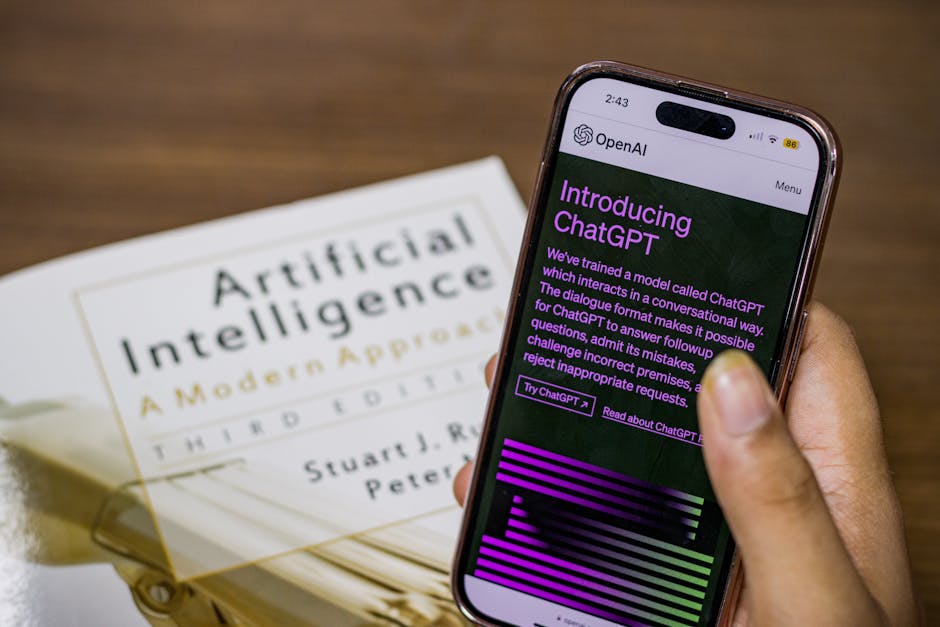
The three platforms driving the most AI search behavior right now are ChatGPT (OpenAI), Gemini (Google), and Perplexity AI. Each one pulls from a combination of its training data and live web sources to generate answers, and each has its own logic for deciding which sources to surface and cite.
For financial advisors, this means a prospect might ask Gemini for a local advisor recommendation, ask ChatGPT to explain the pros and cons of annuities, or use Perplexity to compare fee structures across different planning models. These are active research moments — the digital equivalent of a referral conversation — and showing up consistently across all three platforms requires intentional content strategy.
AEO vs. SEO: What Changes for Advisors
Different Goals, Different Metrics
Here’s a side-by-side view of how the two differ in practice:
- Primary Goal: SEO focuses on ranking higher to drive clicks, while AEO aims to be cited directly inside AI answers.
- Success Metrics: SEO tracks rankings and click-through rates. AEO measures brand mentions, citations, and AI referral traffic.
- Content Format: SEO relies on keyword-optimized pages, whereas AEO requires structured, direct-answer content.
- Optimization Focus: SEO prioritizes backlinks and domain authority. AEO focuses on answer clarity and multi-platform credibility.
The shift in metrics matters more than it might first appear. An advisor could have excellent Google rankings and still be completely invisible in AI-generated answers — simply because the content isn’t structured in a way that answer engines can easily extract and trust.
How Financial Advisors Win in AI Answers
Getting cited by AI engines isn’t random. These systems are designed to surface content that is clear, credible, and consistently structured. Below are four practical strategies that directly improve an advisor’s chances of appearing in AI-generated answers.
1. Write Direct Answers to Common Financial Questions
Answer engines favor content that gets to the point quickly. A strong AEO practice is to open every major section with a direct 40-60 word answer to the question being addressed, before expanding into detail. Think of it as leading with the conclusion.
For financial advisors, this means building content around the exact questions clients actually ask:
- “What’s the difference between a fiduciary and a broker?”
- “How much should I have saved by age 50?”
- “What does fee-only mean for a financial planner?”
Each of those questions deserves its own clear, concise answer — written in plain language, not financial jargon. If the AI can lift a clean, accurate response directly from the page, it’s far more likely to cite that source.
2. Structure Content with Scannable Headings and Bullets
AI models parse pages much like a careful reader skimming for key information. Dense paragraphs bury the signal. Structured content — with descriptive subheadings, bulleted lists, numbered steps, and short paragraphs — makes it dramatically easier for an answer engine to identify, extract, and cite the relevant portion of a page.
Each section of content should ideally be self-contained enough to make sense on its own. Answer engines often pull individual passages rather than entire articles, so every section needs to stand up to that kind of isolated scrutiny. Scannable formatting isn’t just good UX — for AEO, it’s a core technical requirement.
3. Build Authority Across Multiple Trusted Platforms
AI engines don’t just look at a firm’s website. They draw on a wide range of sources — LinkedIn profiles, industry publications, financial forums, review platforms, and third-party articles. The more consistently an advisor’s name and expertise appear across these trusted channels, the stronger the signal that they are a credible source worth citing.
Practical steps include:
- Contributing articles or commentary to recognized financial publications
- Maintaining an active, content-rich LinkedIn presence
- Seeking client reviews on platforms that AI systems are known to reference
- Participating meaningfully in financial forums and Q&A communities
- Ensuring consistent name, title, and firm details across every platform
This multi-platform consistency is a critical trust signal for answer engines — it reflects the kind of broad, corroborated authority that AI systems look for when deciding which sources to surface and cite.
4. Use Schema Markup to Signal Credibility
Schema markup is a type of structured data code added to a website that helps search engines and AI tools understand the nature and context of content. For financial advisors, implementing the right schema types can meaningfully improve how AI engines interpret and cite a site.
Key schema types to consider:
- FAQ Schema — Flags question-and-answer content for easy extraction
- Article Schema — Identifies authored content, including author credentials and publication dates
- Person / Organization Schema — Confirms identity, role, and professional context
- HowTo Schema — Structures step-by-step guides for clear AI parsing
Schema doesn’t guarantee citations, but it removes ambiguity. It tells the AI exactly what the content is, who created it, and when it was last updated — all factors that influence whether a source gets pulled into a generated answer.
What AEO Success Actually Looks Like
One of the most common sources of confusion around AEO is knowing whether it’s actually working. Because success isn’t measured in page-one rankings, the signals look different — but they’re just as concrete once you know what to track.
Tracking Brand Mentions, Citations, and Share of Voice
AEO performance centers on four core metrics:
- Brand Mentions — How often a name or firm appears in AI-generated answers, even without a link
- Citations — How often those mentions include a clickable reference back to the content
- Share of Voice — How a mention rate compares to competing advisors and firms when AI answers the same prompts
- AI Referral Traffic — The actual visitors arriving at a site from answer engine responses, and how they convert
A healthy AEO program shows consistent growth across all four over time. If mentions are climbing but citations are flat, that usually points to a content structure issue — the AI is finding the brand but can’t cleanly extract a linkable source. If citations are strong but referral traffic is low, the prompts being tracked may not reflect how real prospects are actually searching.
Monitoring these metrics consistently — not just quarterly, but week over week — is what separates advisors who are building durable AI visibility from those treating AEO as a one-time project. Tools purpose-built for this kind of tracking make the process far more manageable than trying to audit AI responses manually.
Early Movers Gain the Competitive Edge — Start Now
SEO took years — sometimes decades — to become the competitive battleground it is today. AEO is moving on a compressed timeline. What took search optimization years to mature is happening in months with AI, and the advisors who establish credibility and visibility inside answer engines now are building an advantage that will be increasingly difficult for late movers to close.
The practical reality is that most financial advisors have not yet adapted their content strategies for answer engines. That gap is the opportunity. Firms that begin now — auditing existing content for answer-readiness, building structured Q&A resources around client questions, and expanding their presence across trusted platforms — are positioning themselves to be the names that AI consistently surfaces when the next wave of prospective clients comes asking.
Blu Ocean Innovations, LLC
5940 South Rainbow Boulevard #400 7820
STE 400 #7820
Las Vegas
Nevada
89118
United States


