Pre-Emergent Timing, Fertilization, and Early Inspections Shape a Stronger Season
Polk City, United States – March 16, 2026 / Sutter Lawns /
Iowa Homeowners Face a Narrow Window for Effective Early Spring Lawn Care
As temperatures climb across Central Iowa each spring, the opportunity for effective early lawn preparation opens quickly and closes just as fast. For homeowners in communities like Ankeny, Johnston, Grimes, Bondurant, and Polk City, the weeks before active turf growth begins represent the most consequential period of the entire lawn care calendar. Getting pre-emergent weed control applied at the right time, starting fertilization on schedule, and completing a thorough early inspection are decisions that shape how a lawn performs through summer and beyond. Sutter Lawns has published a practical resource on how to prepare your Iowa lawn for spring, walking homeowners through the key steps and explaining why timing plays such a central role in early-season outcomes.
Why Delaying Spring Lawn Care Leads to Problems That Compound Over Time
One of the most common patterns in residential lawn care is the assumption that spring preparation can wait until the grass is visibly growing. In Central Iowa, that assumption tends to create problems that are difficult to reverse once the season gains momentum.
Cool-season grasses like Kentucky bluegrass and tall fescue begin transitioning out of dormancy when soil temperatures approach 50 degrees Fahrenheit, typically in late March or early April depending on the year. Annual grassy weeds, including crabgrass and foxtail, germinate at roughly the same threshold. That narrow overlap means the effective window for preventive weed treatments is often shorter than homeowners expect, sometimes a matter of days rather than weeks.
When pre-emergent applications are delayed, even by a short stretch, the opportunity to establish a protective soil barrier before germination has already passed. Once weed seeds have sprouted, those treatments no longer work, leaving homeowners to manage an active infestation rather than prevent one from starting.
The same dynamic applies to fertilization. Cool-season turf that receives properly balanced nutrition early in the season builds stronger root systems, which directly supports drought tolerance, disease resistance, and the lawn’s ability to recover from heat stress later in the summer. A slow start to the fertilization calendar creates a nutrient gap that rarely fully corrects itself within the same season, particularly when warm temperatures arrive ahead of schedule.
Services That Address the Most Time-Sensitive Priorities of the Season
Sutter Lawns offers a range of services that align with the specific needs Central Iowa lawns face in early spring. Pre-emergent weed control and fertilization are among the most timing-dependent applications on the calendar, requiring scheduling decisions based on local soil temperature trends and current weather conditions. Both are components of the company’s lawn care programs structured around the regional growing calendar rather than a fixed date.
Core aeration and overseeding are services often recommended following an early-season inspection that reveals compaction, heavy thatch buildup, or thin and uneven turf coverage. These conditions, left unaddressed, tend to limit how effectively the lawn responds to fertilization and weed control throughout the rest of the year.
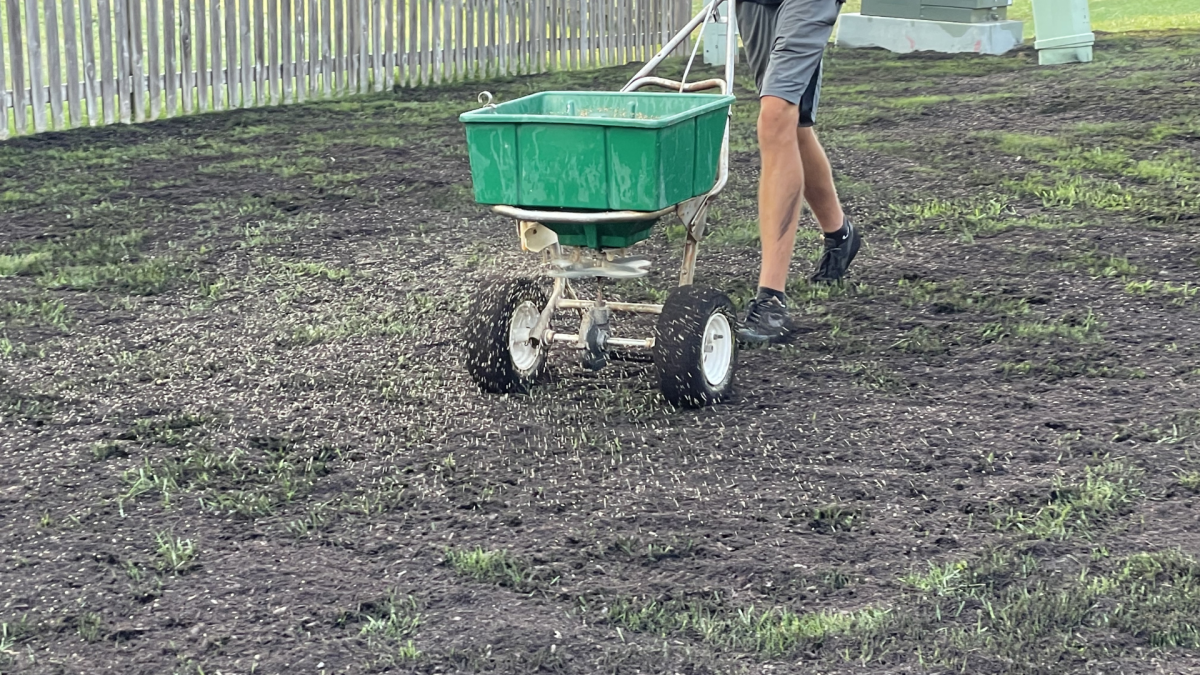
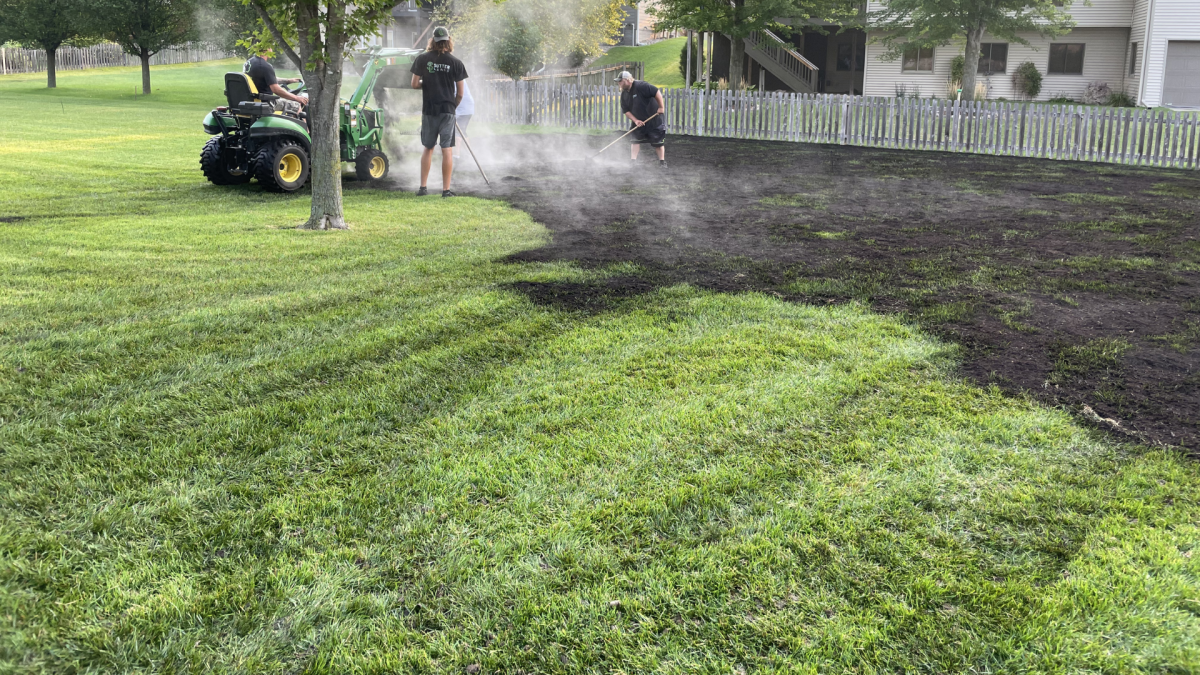
For properties with bare or significantly damaged areas, power seeding and slit seeding provide a more intensive method of lawn restoration, creating better seed-to-soil contact and improving germination rates compared to surface overseeding alone.
Landscape bed pre-emergent treatments extend early-season weed prevention into ornamental beds, reducing the amount of hands-on maintenance required as plant growth accelerates in late spring. Lawn disease evaluation is also a consideration at this time of year, as certain fungal conditions that developed or persisted through winter can benefit from early identification before the growing season fully takes hold.
How Sutter Lawns Builds Treatment Schedules Around Individual Properties
What separates a reactive lawn care approach from a proactive one often comes down to whether decisions are made in response to visible problems or ahead of them. At Sutter Lawns, early-season service scheduling is shaped by soil temperature data, regional climate patterns, and the specific conditions observed at each property. Rather than applying a uniform treatment calendar across all clients, the team evaluates individual lawn characteristics including grass type, soil density, thatch levels, and prior treatment history before recommending timing and product selection.
This approach reflects a broader commitment to programs that address root causes rather than surface symptoms. Homeowners who want to understand the reasoning behind service recommendations will find that transparency built into how the team communicates throughout the season. Additional information about the company’s approach to lawn care is available at sutterlawns.com.
Local Soil Conditions Across Central Iowa Affect Spring Treatment Timing
Soil profiles across the greater Des Moines area can vary meaningfully from one neighborhood to the next. Clay-heavy soils common throughout parts of Central Iowa retain moisture longer and warm more slowly in spring, which can shift the optimal timing for both pre-emergent applications and early fertilization. Properties with significant shade coverage or low-lying areas that drain slowly may require adjusted schedules compared to lawns with more sun exposure and better drainage. Reviewing a treatment plan with professionals who are familiar with local soil characteristics and seasonal patterns reduces the likelihood of mistimed applications. More about available programs can be found on the Sutter Lawns lawn care services page.
A Service Model Focused on Consistency and Homeowner Confidence
For many homeowners across the communities Sutter Lawns serves, the goal extends beyond turf appearance to the confidence that comes from knowing a reliable team is managing the details of their lawn program. The company’s service model is built around consistent communication, dependable scheduling, and treatment explanations that keep homeowners informed at every step. Families throughout Central Iowa who have maintained long-term relationships with the Sutter Lawns team often describe the dynamic as one grounded in familiarity and trust rather than transactions. Homeowners searching for a professional lawn care team with an established presence in the area can find the company among trusted lawn care specialists serving Central Iowa.
Taking the Right First Steps Makes the Rest of the Season More Manageable
The early weeks of spring represent the highest-leverage period for lawn improvement across Central Iowa. Pre-emergent applications placed at the right time, a fertilization program that starts on schedule, and a clear assessment of each property’s individual needs are the foundational decisions that determine how a lawn performs through the full growing season. Sutter Lawns supports homeowners throughout Ankeny, Johnston, Grimes, Bondurant, and Polk City in approaching those decisions with clarity and confidence. Homeowners ready to schedule a spring lawn care program can contact the Sutter Lawns team at 515-329-3154 or visit sutterlawns.com to review available services.

Contact Information:
Sutter Lawns
NW 126th Ave
Polk City, IN 50226
United States
Contact Team
https://sutterlawns.com/