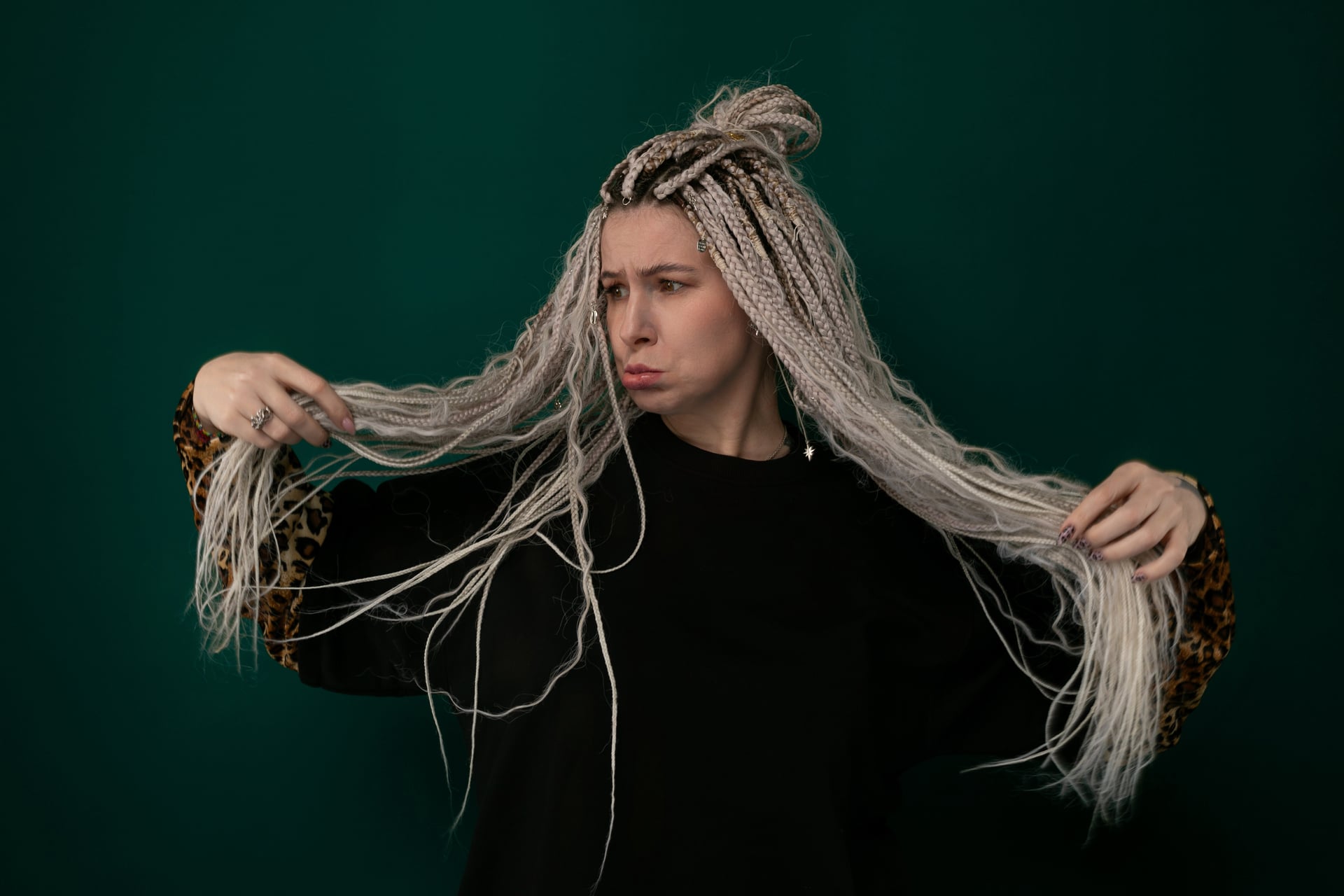
Planning on going blonde this summer for that quintessential beach look? It’s important to know the science behind hair color-treatments and what damage they can do to the hair.
Why Blonde Hair Transformations Come With Risks
Bleached blonde hair continues to dominate beauty trends because lighter shades create brightness, dimension, and a sunlit appearance that many people associate with summer. Yet the process required to achieve platinum tones, icy blondes, balayage effects, or beach-inspired highlights places considerable stress on the hair shaft.
Unlike temporary styling changes, bleaching permanently alters hair structure. The process works by chemically removing natural pigment from inside the strand, which weakens the hair in the process. While salons can reduce the likelihood of severe damage through careful application and professional techniques, even properly performed bleaching creates structural stress that accumulates over time.
Understanding what bleach actually does to hair helps explain why dryness, breakage, shedding, rough texture, and thinning often appear after repeated lightening sessions.
The Structure of Hair: Why Bleach Has Such a Strong Effect
Hair may appear simple externally, but each strand contains multiple structural layers designed to protect and support strength and flexibility.
The outermost layer is called the cuticle. This protective barrier consists of overlapping cells arranged similarly to roof shingles. Healthy cuticles lie relatively flat, helping hair retain moisture while protecting internal structures from environmental stress.
Beneath the cuticle sits the cortex, which contains melanin pigments responsible for hair color alongside structural proteins such as keratin. The cortex largely determines hair strength, elasticity, and texture. Bleaching agents must penetrate through the cuticle and into the cortex to remove pigment. This is where damage begins.
Because bleach is designed to open the cuticle aggressively, the protective outer layer becomes disrupted during processing. Once the cuticle lifts, oxidizing agents penetrate the strand and chemically break apart melanin molecules. Unfortunately, these same chemical reactions also affect proteins and lipids that keep hair strong and flexible. The result is lighter hair color paired with increased structural fragility.
How Bleach Chemically Alters Hair
Most bleaching products rely on hydrogen peroxide combined with persulfates or ammonia-based compounds. These ingredients create oxidation reactions that dissolve natural pigment molecules inside the cortex. Oxidation is essential for lightening hair, but it also degrades structural components within the strand.
Keratin proteins begin weakening during repeated exposure to bleach, reducing the hair’s tensile strength and elasticity. Hair becomes less capable of stretching without snapping. This explains why over-processed hair often feels gummy when wet yet brittle when dry. Natural lipids are also stripped away during bleaching. These oils normally help maintain smoothness, softness, and moisture retention. Without them, hair becomes rougher and more porous.
At the same time, the raised cuticle allows moisture to escape more easily. Hair struggles to maintain hydration, leading to the dry, coarse texture commonly associated with bleach damage. The more frequently bleaching occurs, the more cumulative this damage becomes.
Why Breakage Often Looks Like Hair Loss
One of the most common concerns after bleaching is sudden thinning. However, what many individuals interpret as hair loss is often extensive breakage occurring along weakened strands.
When bleach compromises the structural integrity of hair fibers, strands begin snapping before reaching their normal length. Broken hairs create uneven density, flyaways, shorter pieces around the crown, and visibly thinner-looking hair overall. This distinction matters because follicle-based hair loss and strand breakage involve different recovery timelines and treatment approaches.
In many cases, healthy follicles continue producing new hair growth even while damaged strands continue breaking. Once additional chemical stress is reduced and supportive hair care routines are introduced, visible density can gradually improve over time. However, severe scalp irritation caused by repeated bleaching can sometimes contribute to temporary shedding as well, particularly when inflammation disrupts the scalp environment.
Why Some Hair Types Are More Vulnerable
Not all hair responds to bleach in the same way. Several factors influence how much structural damage develops during lightening treatments.
Previously Processed Hair
Hair that has already been colored, relaxed, permed, or chemically straightened tends to be more vulnerable because prior treatments have already weakened protein structures and cuticle integrity. Applying bleach over previously compromised hair significantly increases breakage risk.
Fine Hair
Finer hair strands contain less structural protein than coarse hair, meaning they often tolerate fewer bleaching sessions before visible damage develops.
Fine hair may reach fragile or over-processed conditions faster, particularly when attempting dramatic color changes.
Dark-to-Light Transformations
The larger the color transition, the more aggressive the bleaching process usually becomes. Dark hair often requires repeated lightening sessions to achieve platinum or pale blonde shades, increasing cumulative oxidative damage.
Heat Styling Habits
Frequent use of flat irons, curling wands, and blow dryers compounds existing bleach damage by further weakening already compromised proteins. When heat and bleach combine, hair becomes significantly more susceptible to splitting and snapping.
Signs Hair Has Been Over-Processed
Bleached hair does not always become severely damaged immediately. Often, the earliest signs appear gradually.
Common indicators of over-processing include:
- Persistent dryness even after conditioning
- Rough or straw-like texture
- Excessive tangling
- Increased shedding or snapping
- Split ends appearing rapidly
- Hair stretching excessively when wet
- Dullness and loss of shine
- Difficulty retaining curls or styling
- Frizz that worsens after washing
In more severe cases, hair may begin breaking near the scalp, creating uneven patches and visibly thinner areas.
Recognizing these signs early can help prevent more extensive damage later.
Why Moisture Alone Does Not Fully Repair Bleached Hair
Many products marketed toward damaged hair focus heavily on hydration. Moisture is certainly important, but bleach damage involves more than simple dryness. Because bleaching weakens protein structures, damaged hair often requires a balance between hydration and strengthening support.
Over-moisturized hair without structural reinforcement may become overly soft and elastic, increasing breakage risk. Conversely, excessive protein treatments without adequate moisture can leave hair feeling stiff and brittle. Effective recovery routines generally focus on restoring balance rather than relying exclusively on one approach.
Supporting Recovery After Bleaching
While severely damaged hair cannot be fully “healed” permanently, proper care can significantly improve appearance, manageability, and resilience while healthier growth develops. Reducing further stress is one of the most important steps.
Limiting additional bleaching sessions, minimizing heat styling, and avoiding aggressive brushing helps prevent ongoing breakage. Wide-tooth combs, microfiber towels, and lower-temperature styling tools can reduce mechanical stress on weakened strands.
Hydration also plays a major role. Sulfate-free shampoos and moisturizing conditioners help reduce additional dryness while supporting the scalp barrier.
Products formulated for damaged or chemically processed hair often include ingredients designed to support softness and reduce brittleness. Shampoos and conditioners incorporating ingredients such as aloe vera, biotin, urucum extract, and moisturizing plant-based agents designed to support hydration while helping minimize further stress on compromised hair.
Scalp health matters as well. Inflammation, irritation, and dryness following repeated bleaching sessions can contribute to increased shedding and discomfort. Lightweight scalp-supporting products containing ingredients such as caffeine, castor oil, and peptide complexes may help create a healthier environment for stronger-looking hair growth over time.
Why Patience Matters During Recovery
Hair recovery following bleach damage rarely happens quickly. Because hair grows gradually, improvements in fullness and overall condition often develop over several months rather than several weeks. Immediate improvements usually involve reducing breakage and improving texture rather than dramatically increasing length or density.
Consistency tends to matter more than aggressive interventions. Gentle care routines maintained over time generally produce better long-term outcomes than constantly switching between intensive treatments. For individuals continuing to bleach their hair regularly, spacing appointments further apart and working with experienced colorists can help reduce cumulative stress while preserving desired color results more safely.
Blonde Hair Trends Continue — But So Does Interest in Hair Health
Beach blonde styles remain highly popular because lighter shades create brightness and dimension that many people continue to seek year after year. However, growing awareness around hair health has shifted more attention toward preventing and managing bleach-related damage before it becomes severe.
Consumers are increasingly balancing aesthetic goals with longer-term hair condition, leading to greater interest in bond-building treatments, scalp-supporting routines, sulfate-free products, and gentler maintenance practices.
Understanding the science behind bleach damage makes it easier to recognize why hair behaves differently after lightening and why recovery requires more than simply adding moisture. Bleaching changes the internal structure of the strand itself, meaning healthier-looking hair depends on reducing further damage while supporting stronger growth and better moisture balance over time.
Trybello LLC
40 SW 13th St
Ste 902
Miami
Florida
33130
United States