Is Roof Replacement Considered a Capital Improvement?
Austin, United States – May 5, 2026 / Longhorn Roofing /
Tax season often raises questions homeowners don’t expect after a major roofing project. For those wondering, “Is replacing a roof considered a capital improvement?” the truth is that the impact goes well beyond the upfront costs.
In this release, Longhorn Roofing helps property owners understand how the IRS tax treatment of improvements applies to their roofing decisions. The team also offers insights on roof replacement frequency in their educational resources to help homeowners plan effectively.
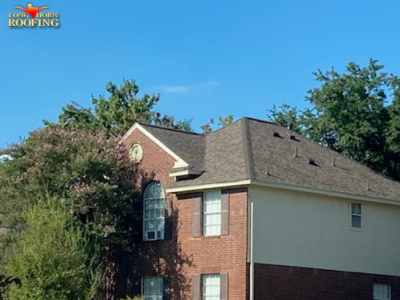
Is Roof Replacement Considered a Capital Improvement?
The IRS defines a capital improvement as any project that adds lasting value, extends a property’s useful life, or adapts it to a new use. A full roof replacement in Austin tends to meet several of those criteria at once, which is why the capital improvement classification generally applies.
Longhorn Roofing frequently helps Austin homeowners understand these criteria before and after a project wraps up. Understanding where a project falls on the repair versus improvement distinction can shape how to handle the expense at tax time.
Key Roofing Considerations for Austin Homeowners
Austin’s climate puts roofing systems through a lot, from intense summer heat to hailstorms that can cause widespread damage across a single season. Local property owners facing damage from a storm often find themselves asking, “Is replacing a roof considered a capital improvement?” when weighing repair and roof replacement costs.
Several factors influence whether a roofing project rises to the level of a capital improvement:
-
Property value increase: A new roof often raises the home’s market value and can be a positive factor in appraisal pricing.
-
Structural upgrade: The IRS treats the roof as a key building system, meaning a full replacement may qualify as a major structural improvement.
-
Useful life extension: A complete installation can add decades to a building’s structural life, satisfying a core requirement for capital improvement classification.
Energy efficiency goals and local building codes may also shape which roofing system fits an Austin property best.
Replacement vs. Repair: Understanding the Difference
Not every roofing expense falls under the same category, and the scope of work matters more than the cost alone. Patching a few shingles or resealing flashing typically brings a roof back to its prior condition without meaningfully extending its lifespan. Those projects are generally maintenance expenses, not capital improvements.
A full tear-off and reinstallation, by contrast, transforms the property in a way that routine upkeep cannot. That distinction is why replacements often qualify while repairs do not.
How Capital Classification Affects an Adjusted Property Basis in Austin
Because a replacement is capitalized rather than deducted immediately, the expense is added to the adjusted property basis rather than applied to the current year’s return. Residential property capital expenses, like a roof replacement, help reduce taxable gains at the point of sale. Keeping thorough records of the project cost supports the adjusted basis calculation down the line.
About Longhorn Roofing
Longhorn Roofing provides certified roof replacement services in Austin, TX, backed by manufacturer warranties and free estimates. They bring deep local knowledge to every project, helping homeowners make informed decisions about their properties. Local property owners with questions about “Is replacing a roof considered a capital improvement?” can contact the Longhorn Roofing team at (512) 812-7659.


Contact Information:
Longhorn Roofing
708 Navigator Drive Austin, TX 78717
Austin, TX 78717
United States
Tom Green
https://www.austinlonghornroofing.com/


Original Source: https://www.austinlonghornroofing.com/blog/is-roof-replacement-capital-improvement